University Professor of Accounting and Director of the Centre for Accounting, Finance and Governance, Hanken School of Economics, Helsinki. Certified Public Accountant.
AI and Resilience in Times of Uncertainty
What top research says about your next decisions, from a speaker who has made them himself.
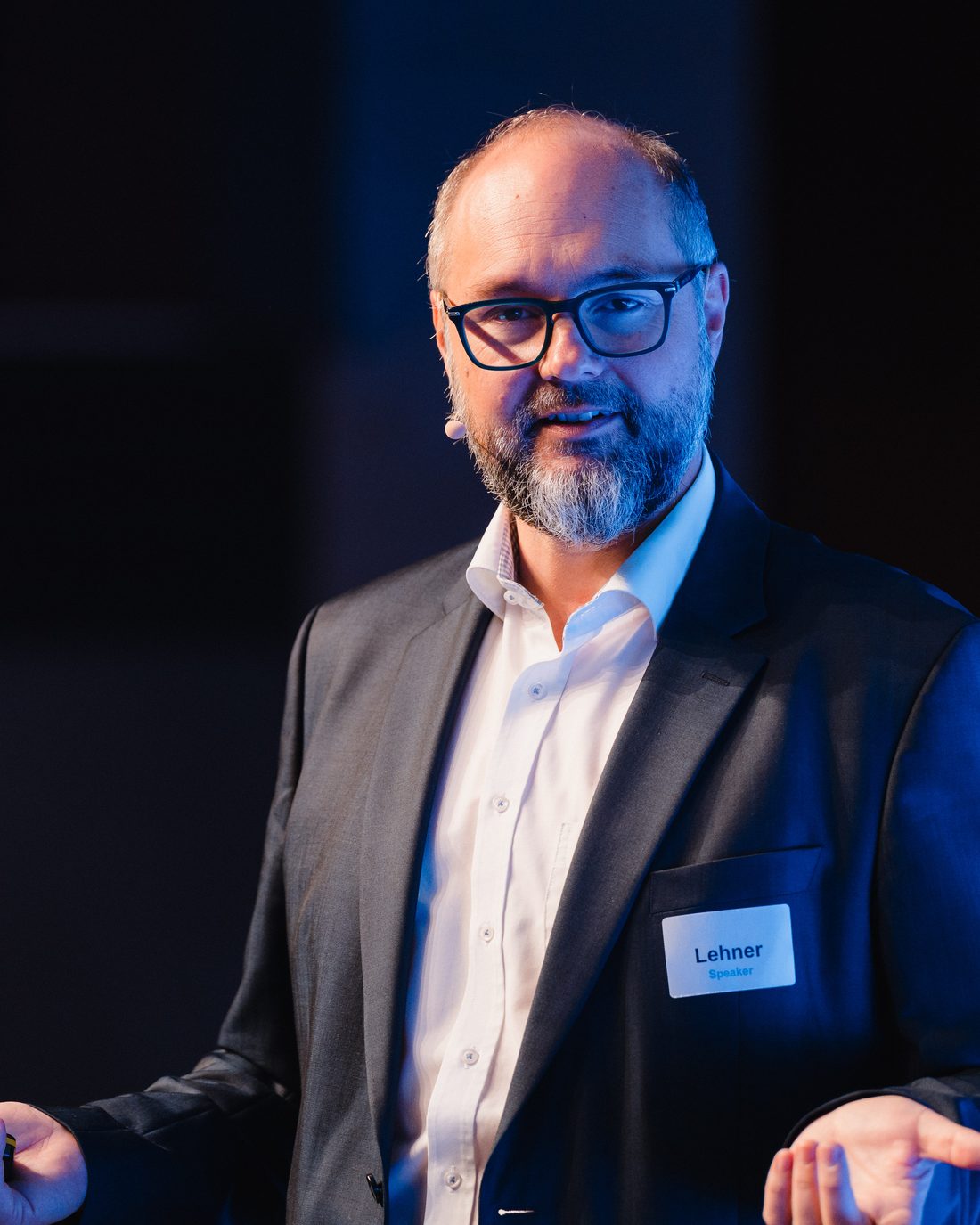
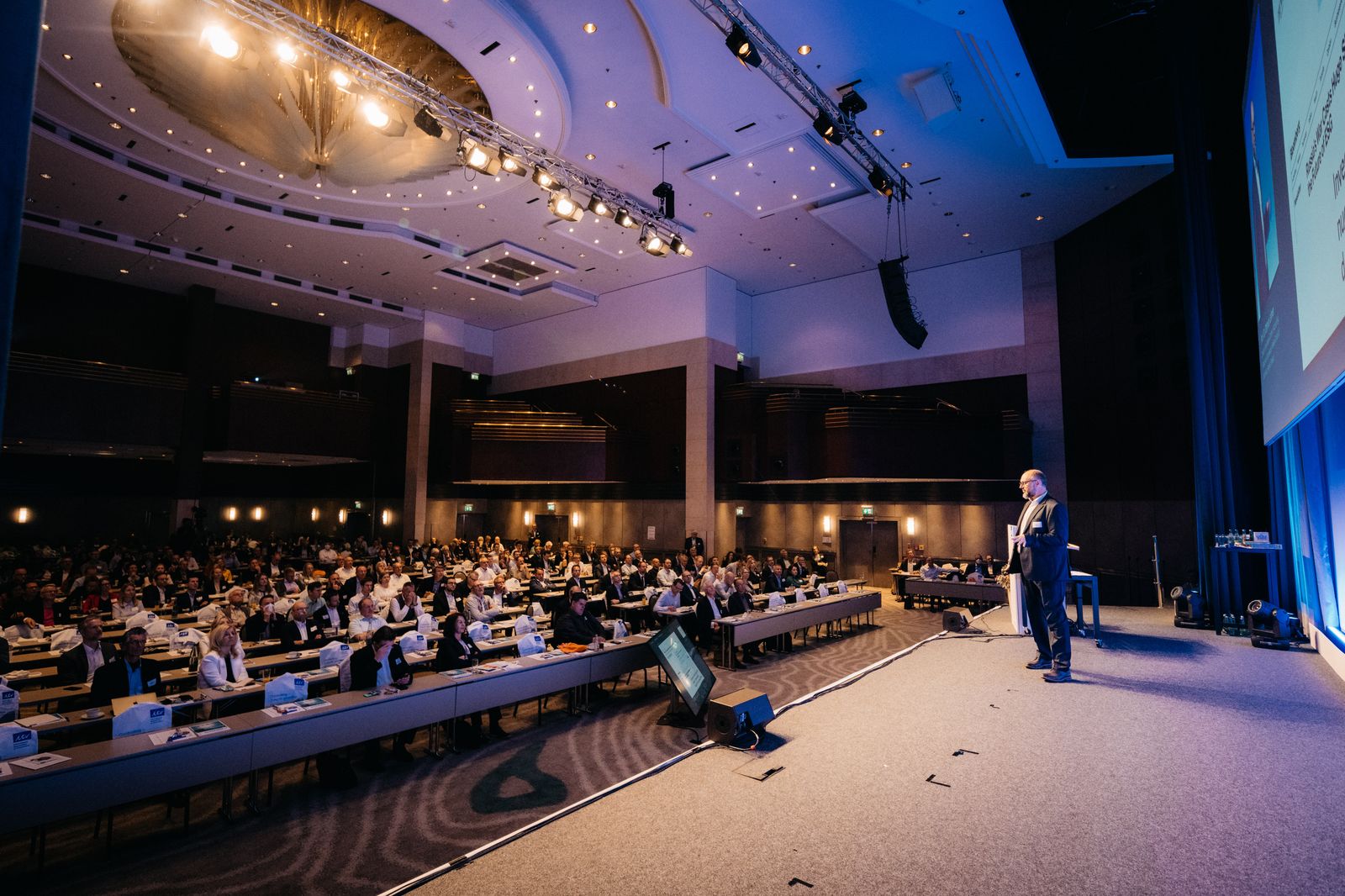
For company events, leadership meetings and congresses, from a boardroom to a hall of two thousand, in English or German. A speaker listed among Stanford University's top two per cent of researchers worldwide who has spent more than ten years in the industry.
Download the speaker one-sheet (PDF)
Keynotes
Most AI talks explain the technology. These explain what it does to an organisation once it is in use: to decisions, to trust in the numbers, to governance and to the resilience of the people who run it. Each talk is written for the audience in front of him, from a board to a university, and draws on his own research and on his years in audit, banking and consulting.
Five signature keynotes
- Winning When AI Changes Everything
Strategy and transformation. Pilots are easy, changing how a company works is not. The talk separates automation, augmentation and reinvention, shows which use cases are worth the effort and how to measure value beyond activity. Leaders leave with a route from experiments to lasting advantage.
- AI in Finance: From Output to Evidence
Finance and audit. A confident answer is not evidence. The talk follows an AI output through data, controls, accountability and judgement to sign-off, from someone who audits these systems. CFOs leave with a way to scale AI without losing traceability or challenge.
- Governing AI: The EU AI Act in the Boardroom
Boards and governance. The Act raises the stakes, but compliance alone will not govern shadow AI, vendor dependence or models that change every quarter. Boards learn how to assign decision rights, keep a usable inventory, set escalation triggers and demand an evidence trail.
- Leading and Deciding in a VUCA World
Leadership and resilience. When forecasts break down, more data can create false confidence. Scenario thinking, reversible decisions and Finnish sisu show where AI sharpens judgement and where it quietly replaces it. Leaders leave with a disciplined way to act before certainty arrives.
- Will Universities Still Exist as We Know Them in Ten Years?
Higher education. Students already use AI for assessed work; institutions are catching up. What in teaching, assessment and research should scale digitally, and what still depends on people meeting in a place? University leaders leave knowing what to change and what to keep.
A selection from more than 40 keynotes since 2020, on stage and online
- 2026Economies of Traces: Keynote in honour of Michael Power, Venice
- 2026Keynote on AI literacy, TRANSACT AI research initiative, Research Council of Norway
- 2025Host and keynote, NASDAQ Accounting for Climate Change Symposium, Hanken, Helsinki
- 2025Keynote, World Sustainable Energy Days, Wels
- 2024Keynote, European Accounting Association Annual Congress, Bucharest
- 2024Keynote on sustainability in human resources, Human Resources Network, Johannes Kepler University Linz
- 2023Keynote, International Management Accounting Congress, Munich
- 2022Keynote on artificial intelligence and innovative ESG reporting, International Controller Congress, Munich
- 2021Keynote and panel co-organiser on impact investing in times of crises, Academy of Management Annual Meeting
- 2020Keynote, EU Summit on the ESG Taxonomy for Sustainability Accounting, European Commission, Brussels
- 2020Keynote on social justice in impact investing, Ethics Symposium, American Accounting Association, Atlanta
30 to 60 minutes, on stage or online, with or without discussion afterwards.
A conversation with your host, or a panel with your own experts.
A half day for a board or a leadership team, closed doors, your own cases.
Prof. Othmar Lehner brings world-class research, substantial executive experience and a commanding presence to the stage. He challenged conventional thinking, fully engaged our audience and delivered practical insights participants could take back to their organizations. I recommend him without hesitation.
Othmar is insightful, thought-provoking and highly professional. If you are looking for a keynote speaker who can bring intellectual depth to the stage, energize a sophisticated business audience and turn emerging developments into actionable insights, I recommend him without hesitation.
Bring a real decision. Leave with a better way to make it.To book, write with the date, the audience and the format. The speaker one-sheet (PDF, one page) has the five keynotes, formats and contact details for your programme committee; speaker introductions and press photographs are in the bio and press section.
Write to othmar.lehner@hanken.fi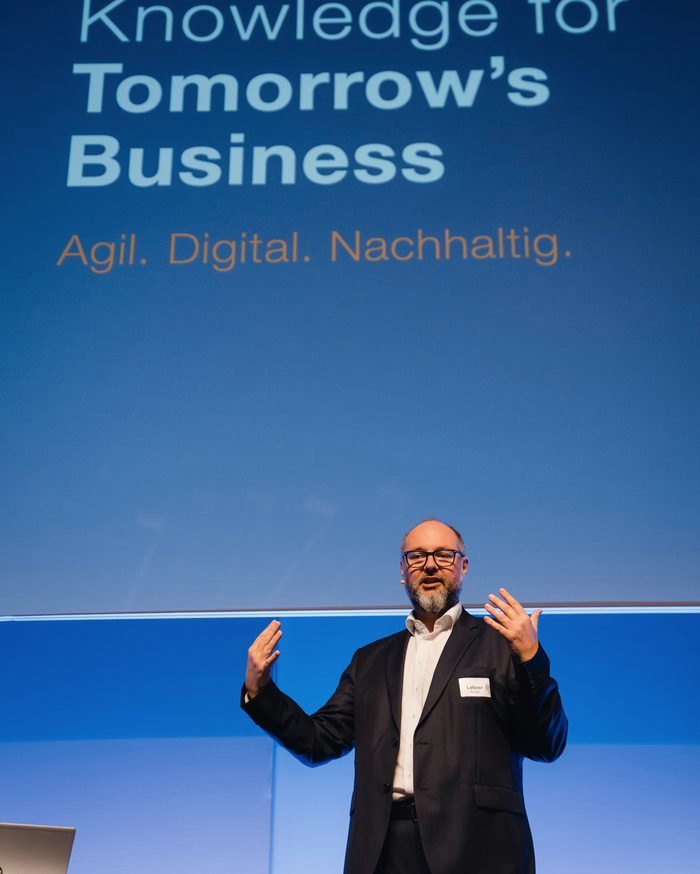
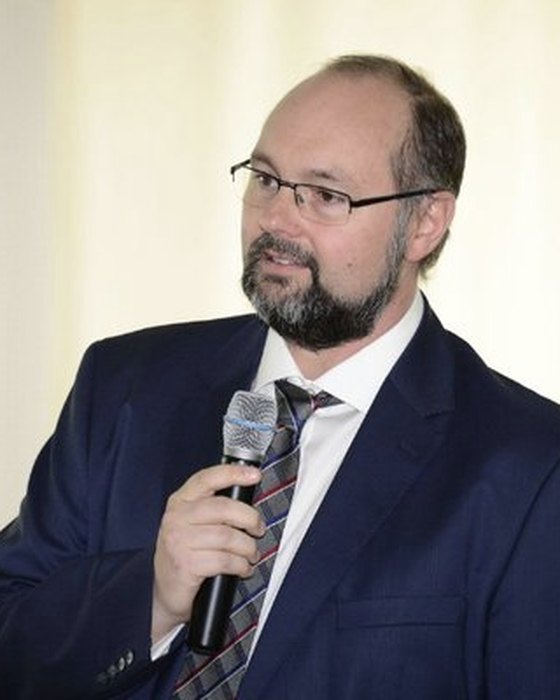
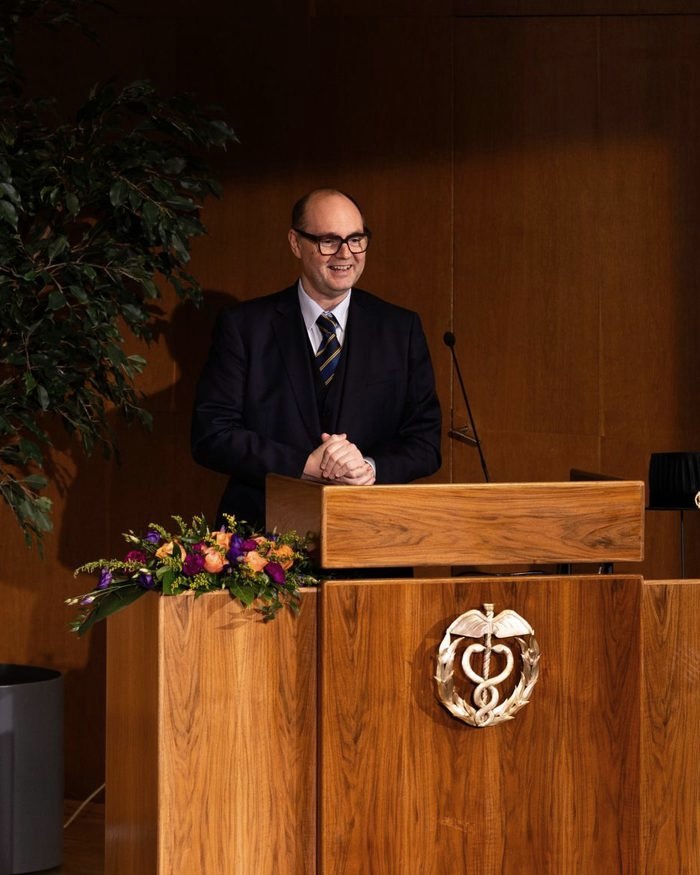
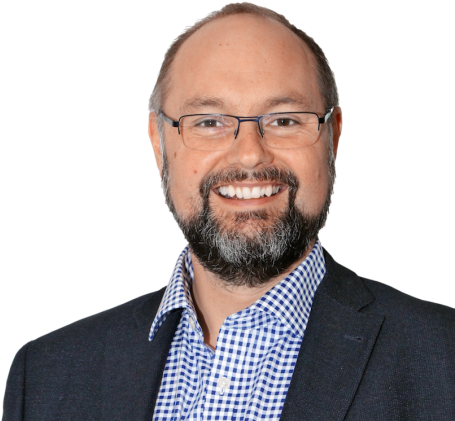
Grounded in practice
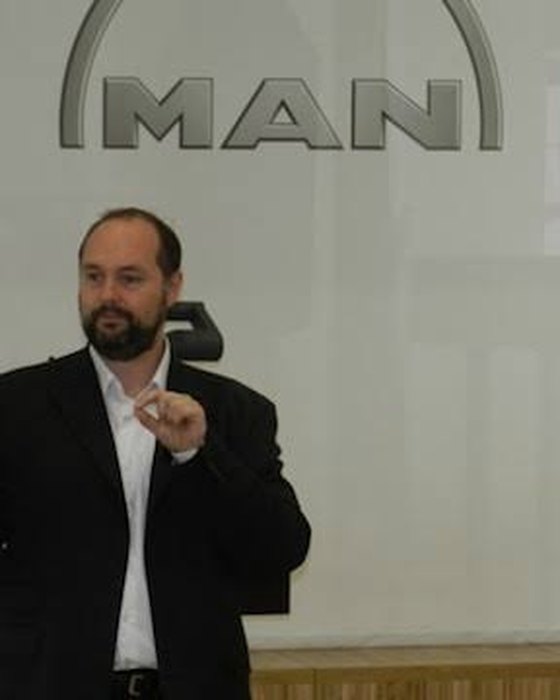
The talks are not theory. Othmar Lehner has spent more than ten years in industry, in senior roles as CFO and in risk management, including in the banking sector. From 2023 to 2026 he was Director and authorised signatory at KPMG alongside his professorship. As a Certified Public Accountant he today evaluates AI and risk systems in audit and assurance engagements.
At Hanken he directs the Centre for Accounting, Finance and Governance and leads large EU-funded research projects. Before that he spent more than five years at the University of Oxford as Professorial Fellow and visiting professor.
OLENOR & Partners
- Governance audits for AI in planning, administration and accounting
- The KI-Kompass, a one-day executive workshop on AI and automation
- Supply chain, environmental and geopolitical risk in controlling
The research behind the talks
How do organisations stay accountable, and able to act, when they cannot calculate everything?
Two lines of work, both published in the leading journals of the field and both tested against the systems he audits.

What AI does to judgement, evidence and truth
How algorithmic systems change judgement, evidence and the production of truth in professional practice, and what this means for the organisations that depend on them. The work asks what an auditor can still vouch for when the evidence is produced by a model, what AI literacy the finance function needs, and how the organisation itself changes when meaning is produced without intention.
- Lehner, O. M. (2026). AI and the production of truth in accounting practices: A Foucauldian analysis. Critical Perspectives on Accounting, 103, Article 102862. DOI
- Lehner, O. M., Ittonen, K., Silvola, H., Ström, E., & Wührleitner, A. (2022). Artificial intelligence based decision-making in accounting and auditing: Ethical challenges and normative thinking. Accounting, Auditing & Accountability Journal, 35(9), 109-135. DOI
- Lehner, O. M., & Knoll, C. (Eds.). (2023). Artificial intelligence in accounting: Organisational and ethical implications. Routledge. DOI
- Losbichler, H., & Lehner, O. M. (2021). Limits of artificial intelligence in controlling and the ways forward. Journal of Applied Accounting Research, 22(2), 365-382. DOI

How firms, markets and regulators stay resilient
The capacity of firms, markets and regulators to absorb climate, biodiversity and other sustainability related shocks, and the part that accounting, assurance and disclosure play in building or eroding that capacity. Sustainability accounting is studied here as an element of resilience rather than as a reporting obligation in its own right. Recent projects: Horizon Europe TC4BE on biodiversity and finance (2022 to 2026, lead of the accounting and finance work package) and the NASDAQ Nordic Foundation project on climate scenarios and company valuation (2023 to 2024, principal investigator).
- Lehner, O. M. (2026). Layered fields of power: A Bourdieusian critique of sustainability accounting in EU regulation and beyond. Accounting, Auditing & Accountability Journal, 39(9), 1-27. DOI
- Kapplmüller, S. B., Lehner, O. M., & Greiling, D. (2025). Double materiality at work: Pathways to organizational change. Accounting, Auditing & Accountability Journal, 38(9), 460-490. DOI
- Öhlinger, E.-M., & Lehner, O. M. (2025). Aligning policy and science: A teleological analysis of biodiversity accounting and accountability under the European Green Deal. Sustainability Accounting, Management and Policy Journal, 16(7), 62-97. DOI
- Harrer, T., & Lehner, O. M. (2024). Assuring the unknowable: A reflection on the evolving landscape of sustainability assurance for financial auditors. Current Opinion in Environmental Sustainability, 67, Article 101413. DOI
What is coming next
- Lehner, O. M. Accounting and the epistemics of uncertainty: Entropy, inference, and the rise of algorithmic reckoning. Accounting, Organizations and Society.
- Lehner, O. M. Inner form, outer form: AI, meaning, and the rise of the post-intentional organization. Organization Theory.
- Lehner, O. M., Nicholls, A., & Bauer, P. Acting at a temporal distance: Discounting and the calculative visibility of the future. Accounting, Organizations and Society.
- Lehner, O. M. The traceable self: Michael Power's "Economy of Traces" and the relocation of critical accounting theory. Qualitative Research in Accounting and Management.
- Tham, T. T., Lehner, O. M., & Harrer, T. From market property to translation effect: Re-theorizing the greenium through Actor-Network Theory. Accounting, Organizations and Society.
- Lehner, O. M., & Tham, T. T. Second-order greenwashing: The paradox of sustainability assurance. Accounting, Auditing & Accountability Journal.
Where the research changed what people do
Four cases in which the work reached a government, a standard setter or an investment committee. Each is documented in the publications named.
Social Investment Tax Relief, United Kingdom, 2014
With Alex Nicholls (Saïd Business School, Oxford), a model for crowdfunding social ventures in which crowd capital is combined with debt from foundations or social banks and supported by tax relief. The model was presented to UK government advisers at Whitehall and contributed to the design of the Social Investment Tax Relief in the Finance Act 2014.
The Brandstetter-Lehner ESG portfolio model
One of the earliest portfolio optimisation tools to integrate environmental, social and governance factors into institutional investment decisions, extending the Black-Litterman approach. First used by a major US pension fund for backtesting, then presented to and tested with J.P. Morgan and Hermes, and since extended to climate risk and social impact metrics.
Accounting and finance for biodiversity, Horizon Europe
In TC4BE (2022 to 2026) the work package led from Hanken examined how green bonds and biodiversity-linked instruments can reduce biodiversity loss in line with the Kunming-Montreal framework, and how EU policy and finance instruments can be recalibrated. Published as an EU deliverable, presented at the EAA congresses in Rome and Prague, and discussed with an EFRAG working group and standard setters working on ESRS E4.
Climate scenarios in company valuation, NASDAQ Nordic Foundation
A model and practical tools, built with Monte Carlo simulation and discounted cash flow analysis, that trace how physical and transition climate risks under the TCFD recommendations and IFRS S2 reach cash flows, cost of capital and enterprise value. Discussed with the IASB and presented to industry at the NASDAQ Accounting for Climate Change Symposium at Hanken in 2025.
Books and articles
Six books with Routledge, Edward Elgar and Linde, chapters with Oxford University Press and SAGE, and more than fifty peer-reviewed articles in journals such as Accounting, Organizations and Society, Accounting, Auditing & Accountability Journal, Critical Perspectives on Accounting and the Journal of Business Ethics.
Books
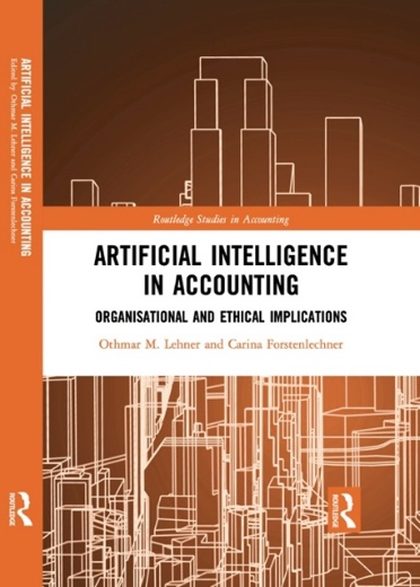
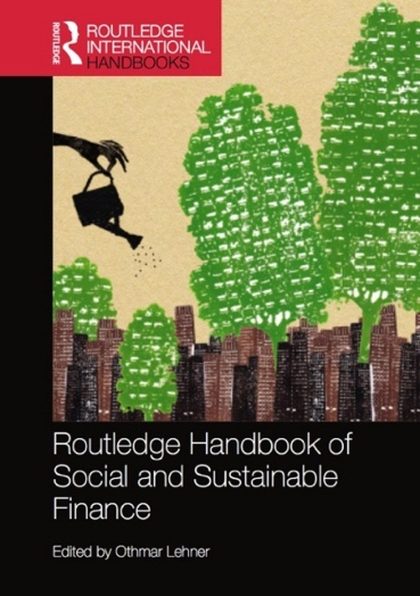
What AI does to accounting work, control and accountability once it is in use, and the ethical questions that follow. The research behind the keynotes.
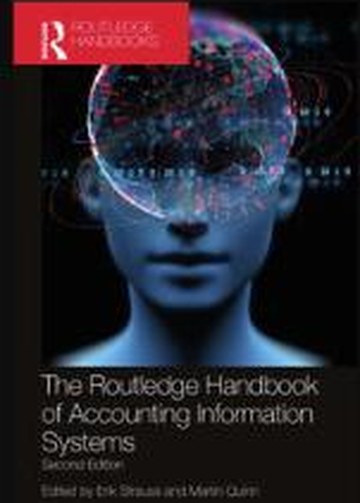
The reference work on accounting information systems, from ERP and data to analytics and AI, for researchers, teachers and practitioners.
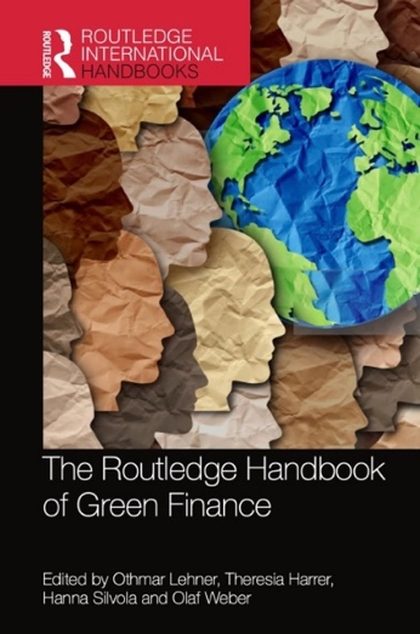
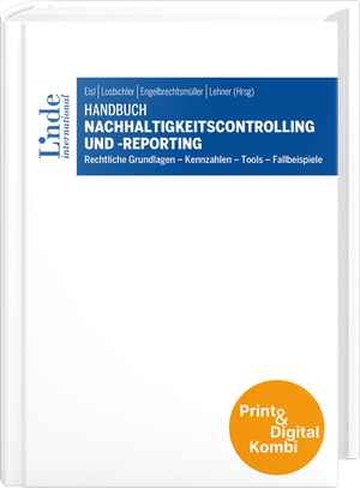
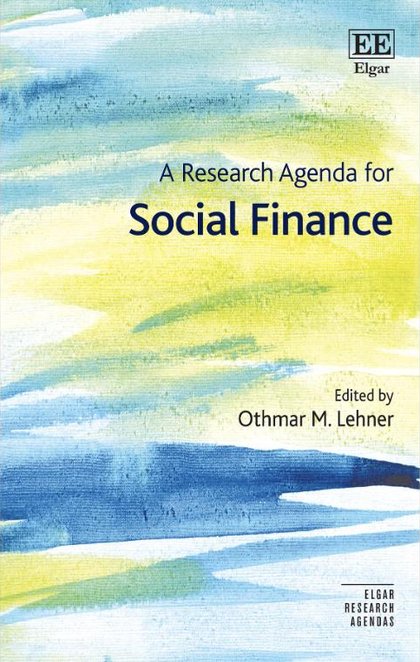
Selected journal articles
- Tham, T. T., Lehner, O., & Ittonen, K. (2026). Rendering climate risk auditable: The discursive emergence of C-KAMs in financial audit reports. Journal of Applied Accounting Research, 27(6), 94-116. DOI
- Lehner, O. M., & Kyriacou, O. (2023). Interconnectedness and the web of accountabilities: Humboldtian approaches to social and environmental accounting. Accounting, Auditing & Accountability Journal, 36(6), 1529-1553. DOI
- Harrer, T., Lehner, O. M., & Weber, C. (2023). A multi-level understanding of trust development in contexts of blurred organizational boundaries: The case of crowdfunding. Scandinavian Journal of Management, 39(1), Article 101247. DOI
- Lehner, O. M., Nicholls, A., & Kapplmüller, S. B. (2022). Arenas of contestation: A Senian social justice perspective on the nature of materiality in impact measurement. Journal of Business Ethics, 179(4), 971-989. DOI
- Lehner, O. M., & Weber, C. (2020). Growing up from in-betweeners: Alternatives to hybridity in social entrepreneurship research. Entrepreneurship Research Journal, 10(3), Article 20180099. DOIBest Paper, NYU Stern
- Lehner, O. M., Harrer, T., & Quast, M. (2019). Building institutional legitimacy in impact investing: Strategies and gaps in financial communication and discourse. Journal of Applied Accounting Research, 20(4), 416-438. DOIEmerald Literati Award
- Dey, P., & Lehner, O. M. (2017). Registering ideology in the creation of social entrepreneurs: Intermediary organizations, 'ideal subject' and the promise of enjoyment. Journal of Business Ethics, 142(4), 753-767. DOI
- Brandstetter, L., & Lehner, O. M. (2015). Opening the market for impact investments: The need for adapted portfolio tools. Entrepreneurship Research Journal, 5(2), 87-107. DOI
- Lehner, O. M. (2014). The formation and interplay of social capital in crowdfunded social ventures. Entrepreneurship & Regional Development, 26(5-6), 478-499. DOI
- Lehner, O. M. (2013). Crowdfunding social ventures: A model and research agenda. Venture Capital, 15(4), 289-311. DOI
Teaching
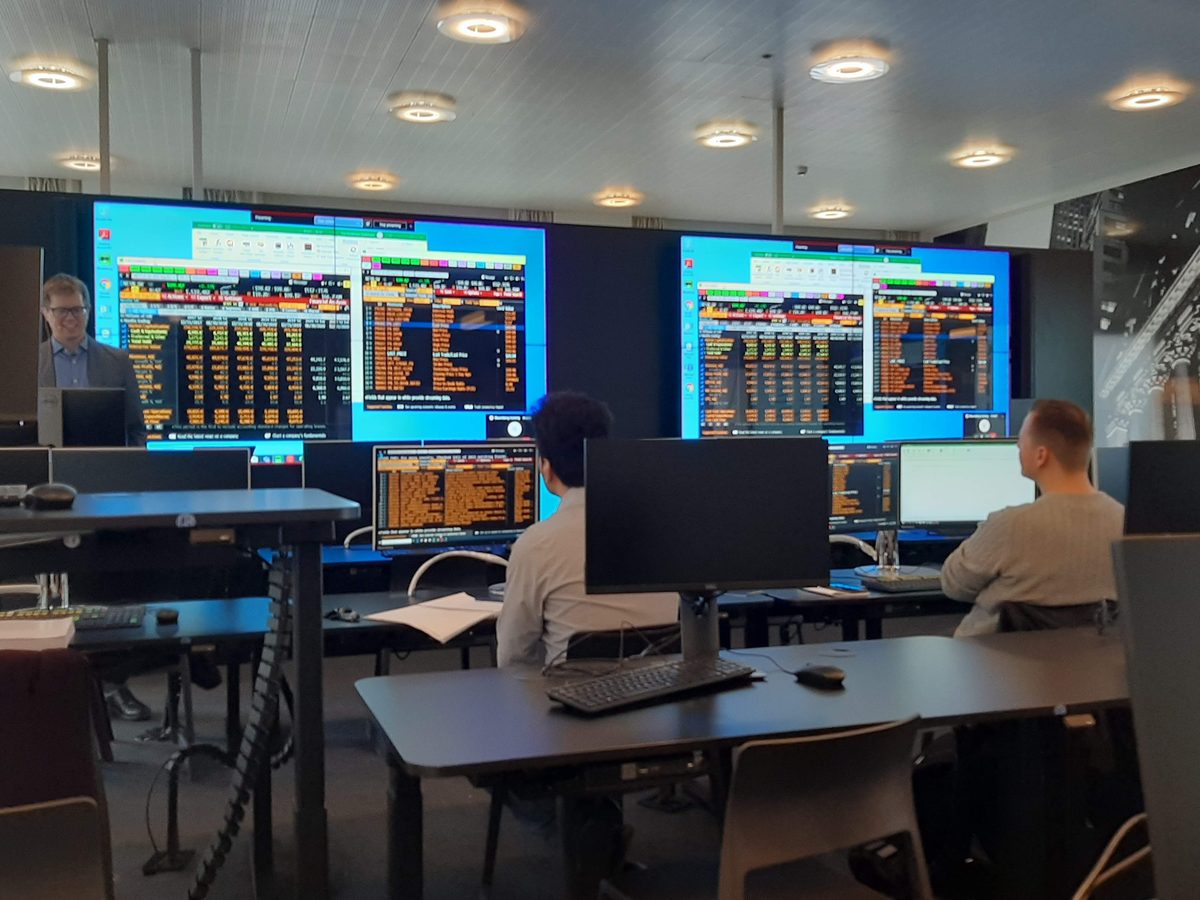
Courses at Hanken in Helsinki and, as visiting professor, at the Johannes Kepler University Linz and the FH Upper Austria.
- Accounting in a Digital WorldHow digitalisation, data infrastructures and automation change accounting information, control and the role of the accountant.
- Applied Artificial Intelligence in Accounting and AuditingSeminar. Students build and evaluate AI-supported accounting and audit tasks and assess their professional and ethical implications.
- Decision Making in VUCA Environments with AIJudgement and decision making under volatility, uncertainty, complexity and ambiguity, and the uses and limits of AI support.
- Climate Risk and AccountingIdentification, measurement and disclosure of climate-related risks under IFRS S2, the ESRS and the TCFD recommendations, and their integration into valuation.
- Accounting, Organizations and SocietyAccounting as a social and organisational practice, read through organisation theory and critical accounting research.
- English Academic Writing for Doctoral StudentsOpen to doctoral students of all subjects at Hanken.
Supervision
More than 100 master's theses and five doctoral dissertations seen to completion over fifteen years, at Hanken, Johannes Kepler University Linz, Middlesex University London and the Vienna University of Economics and Business. Five doctoral students at present. Examiner and opponent for dissertations at Copenhagen Business School, the University of Edinburgh and the University of South Africa.
As Coordinator of the Doctoral Programme in Accounting at Hanken he mentors incoming candidates and aligns the programme with international standards. Doctoral candidates interested in AI in accounting and auditing, or in accounting for climate and biodiversity risk, are welcome to write.
Editorial roles, evaluation and awards
Editorial
- Associate Editor, Accounting, Auditing & Accountability Journal
- Associate Editor, Accounting Forum
- Associate Editor, Qualitative Research in Accounting and Management
- Guest Editor, special issue on Sustainability Assurance and the Audit Society, AAAJ
- Editor-in-Chief, Journal of Applied Accounting Research, 2019 to 2023
Evaluation and leadership
- Evaluator for the European Commission on financial market stability
- Reviewer for funding bodies including the Swiss National Science Foundation
- Director, Hanken Centre for Accounting, Finance and Governance, since 2019
- Founding Director, Quantum Data Laboratory, Hanken
- Member of the Academic Council, Hanken
- Director, ACRN Oxford Research Centre, 2014 to 2019
Awards
- Above and Beyond the Call of Duty Reviewing Award, OMT Division, Academy of Management, 2026
- Top 2% Scientists list, Stanford University and Elsevier, 2024 and 2025
- Emerald Literati Awards, Outstanding Paper in Accounting Research, 2019 and 2021
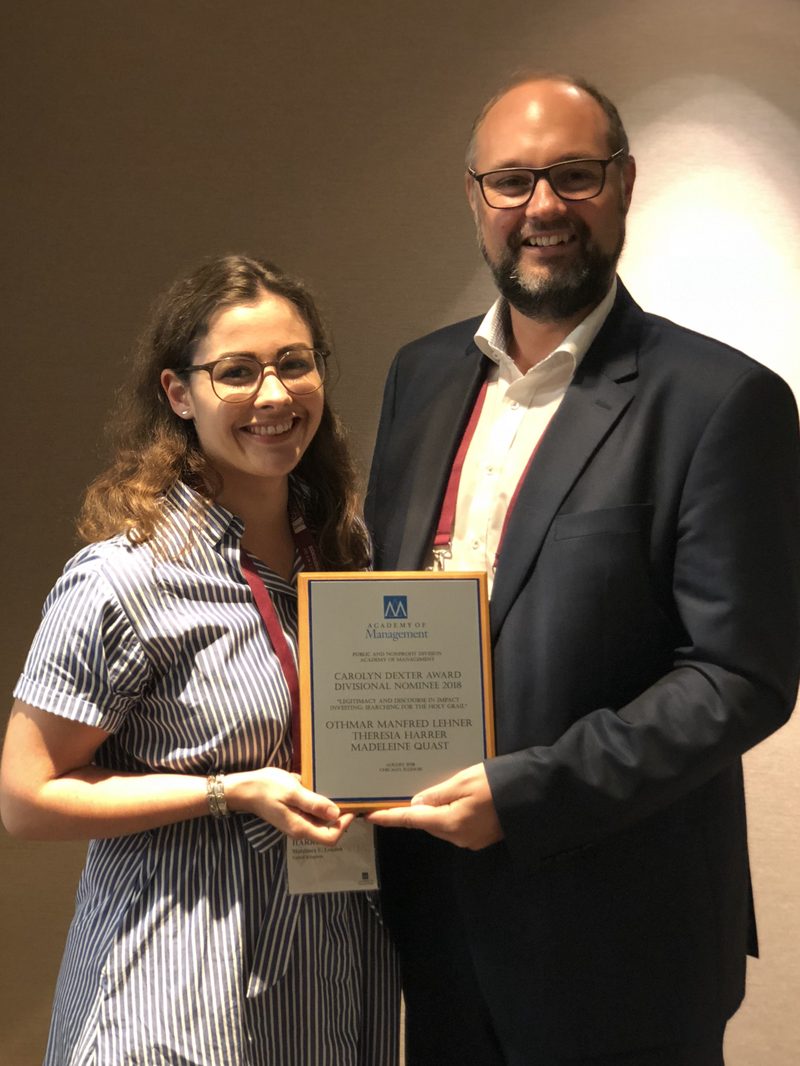
- Best Paper Award, Public and Nonprofit Division, and finalist, Carolyn B. Dexter Award, Academy of Management, 2018
- Hermann Zemlicka Award, NeuroIS Retreat, 2018
- Best Paper Award, NYU Stern Social Entrepreneurship Conference, 2015
Bio and press
Othmar M. Lehner is Professor of Accounting at Hanken School of Economics in Helsinki and a Certified Public Accountant (CPA) who evaluates AI and risk systems. His keynotes on artificial intelligence, risk and the future of the finance function draw on research that places him among the top two per cent of researchers worldwide, on six books with Routledge, Edward Elgar and Linde, and on more than ten years in audit and banking, at Citigroup and, most recently, as Director at KPMG. He speaks in English and German.
Othmar M. Lehner is Professor of Accounting at Hanken School of Economics in Helsinki, where he directs the Hanken Centre for Accounting, Finance and Governance. His research asks how organisations remain accountable, and capable of acting, under conditions they cannot fully calculate. Two lines of work follow: artificial intelligence in accounting and auditing, and organisational resilience under climate and biodiversity risk. He combines the academic role with practice as a Certified Public Accountant (CPA), which today includes the evaluation of AI and risk systems, and, from 2023 to 2026, with a directorship at KPMG alongside the professorship; earlier he was a senior risk manager at Citigroup in London. Before Hanken he was a Professorial Fellow at the University of Oxford. His work appears in Accounting, Organizations and Society, Accounting, Auditing & Accountability Journal, Critical Perspectives on Accounting and the Journal of Business Ethics, and he has edited handbooks with Routledge, Edward Elgar and Oxford University Press. He is Associate Editor of three accounting journals and was listed among the top two per cent of researchers worldwide in 2024 and 2025.
Othmar M. Lehner is University Professor of Accounting at Hanken School of Economics in Helsinki, where he has directed the Hanken Centre for Accounting, Finance and Governance since 2019. His research asks how organisations remain accountable, and capable of acting, under conditions they cannot fully calculate. Two lines of work follow from this question. The first concerns artificial intelligence in accounting and auditing: how algorithmic systems change judgement, evidence and the production of truth in professional practice, and what this means for the organisations that depend on them. The second concerns resilience, understood as the capacity of firms, markets and regulators to absorb climate, biodiversity and other sustainability related shocks, and the part that accounting, assurance and disclosure play in building or eroding that capacity.
He combines this academic profile with long professional experience as a Certified Public Accountant (CPA), a role that today also comprises the analysis and evaluation of AI and risk systems. From 2023 to 2026, alongside his professorship, he served as Director and authorised signatory at KPMG. Earlier he was senior risk manager at Citigroup in London and worked for more than ten years as a CPA in banking and audit, and from 2014 to 2019 he was CFO of the ACRN Oxford Research Centre. Before his current post he spent five years as a Professorial Fellow at the University of Oxford (Smith School of Enterprise and the Environment, with a visiting appointment at the Saïd Business School). He holds an adjunct professorship in Information Sciences at the University of Jyväskylä.
His work appears in Accounting, Organizations and Society, Accounting, Auditing & Accountability Journal, Critical Perspectives on Accounting, the Journal of Business Ethics and Academy of Management outlets, and he has edited handbooks with Routledge, Edward Elgar and Oxford University Press. In 2024 and 2025 he was included in the Stanford and Elsevier list of the top two per cent of researchers worldwide. He leads and contributes to externally funded programmes, including a Horizon Europe project on biodiversity and finance and a NASDAQ Nordic Foundation project on climate scenarios and company valuation. He serves as an evaluator for the European Commission on financial market stability and is Associate Editor of Accounting, Auditing & Accountability Journal, Accounting Forum and Qualitative Research in Accounting and Management.
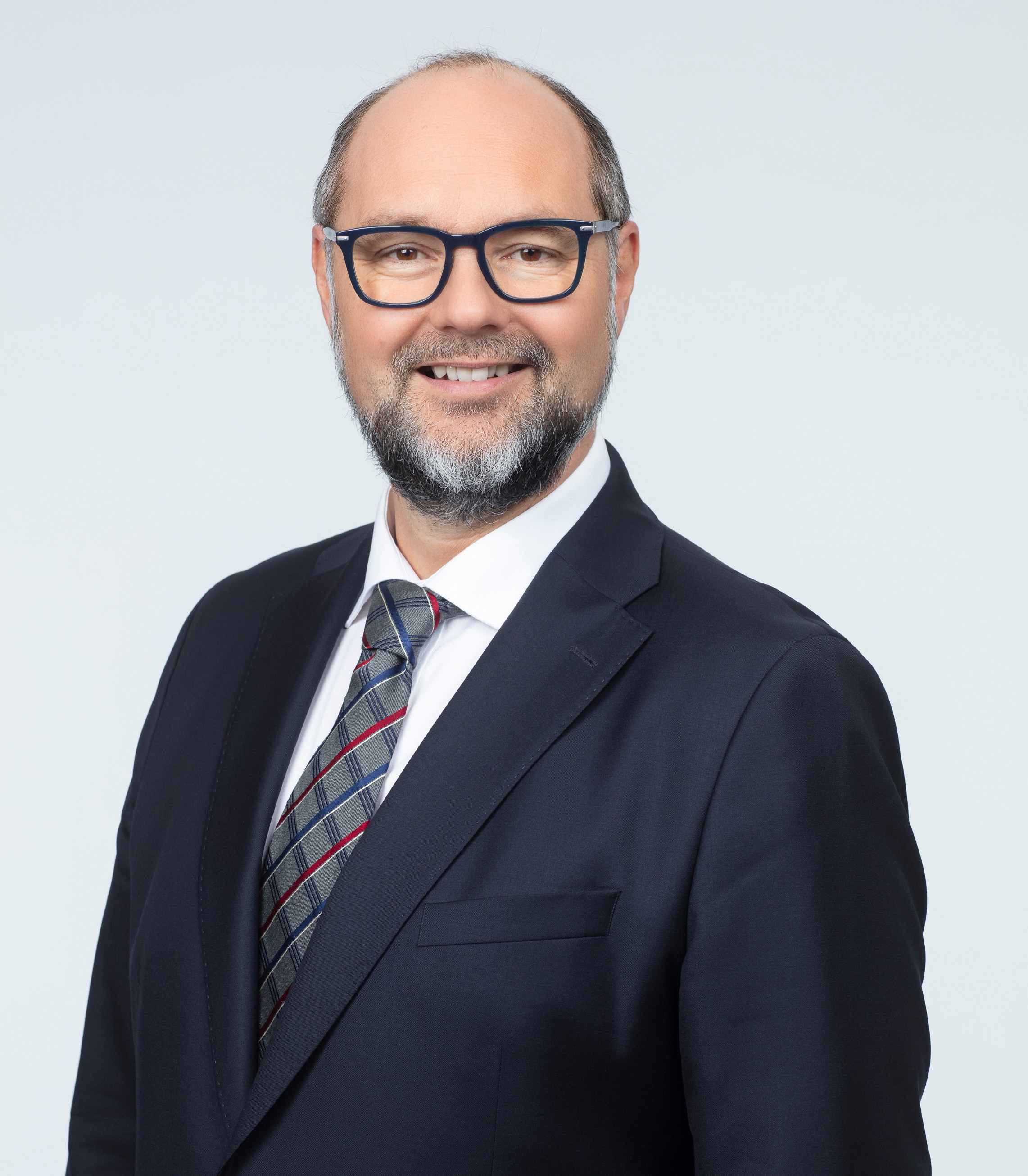
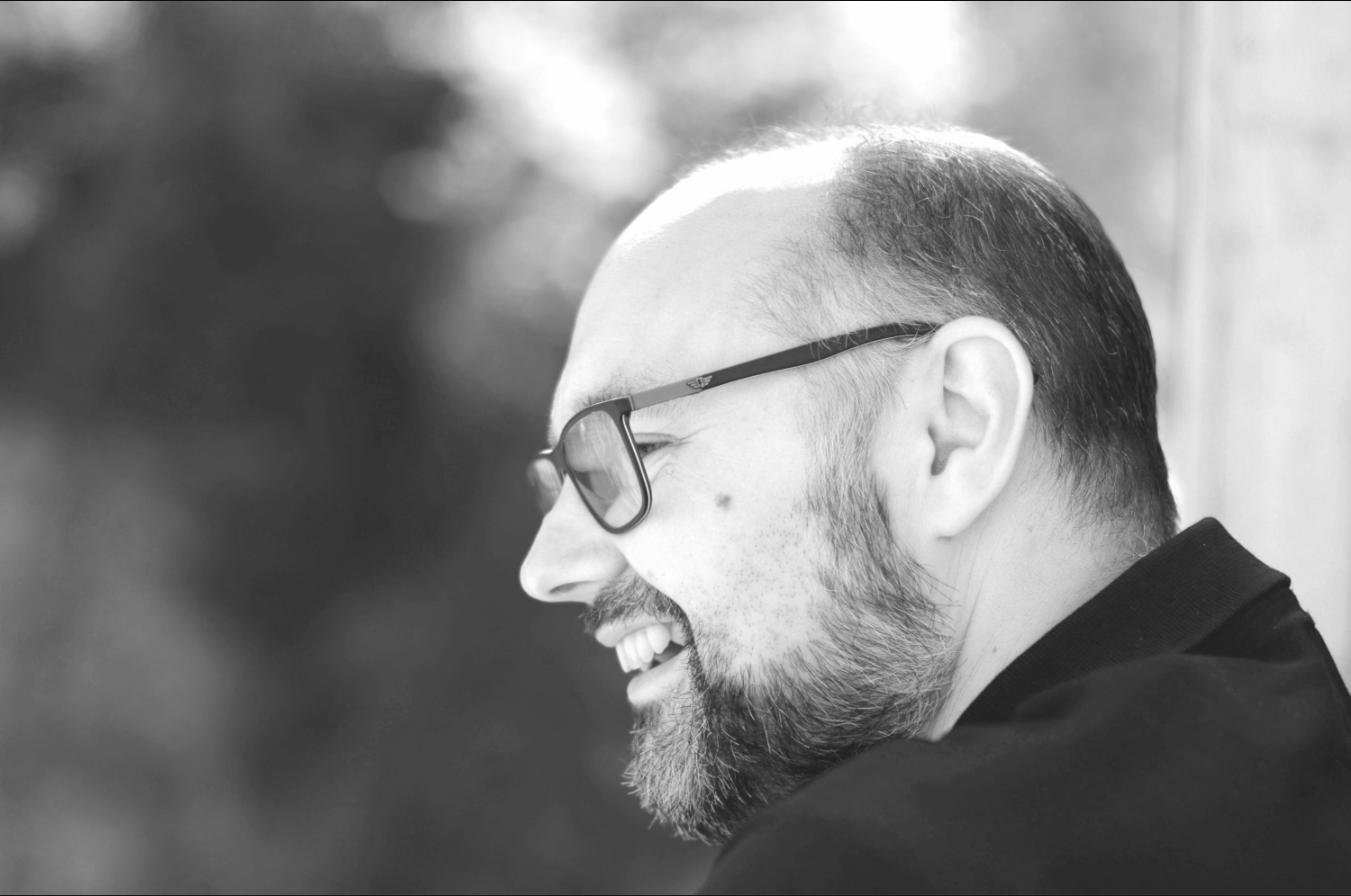
- Press photographs
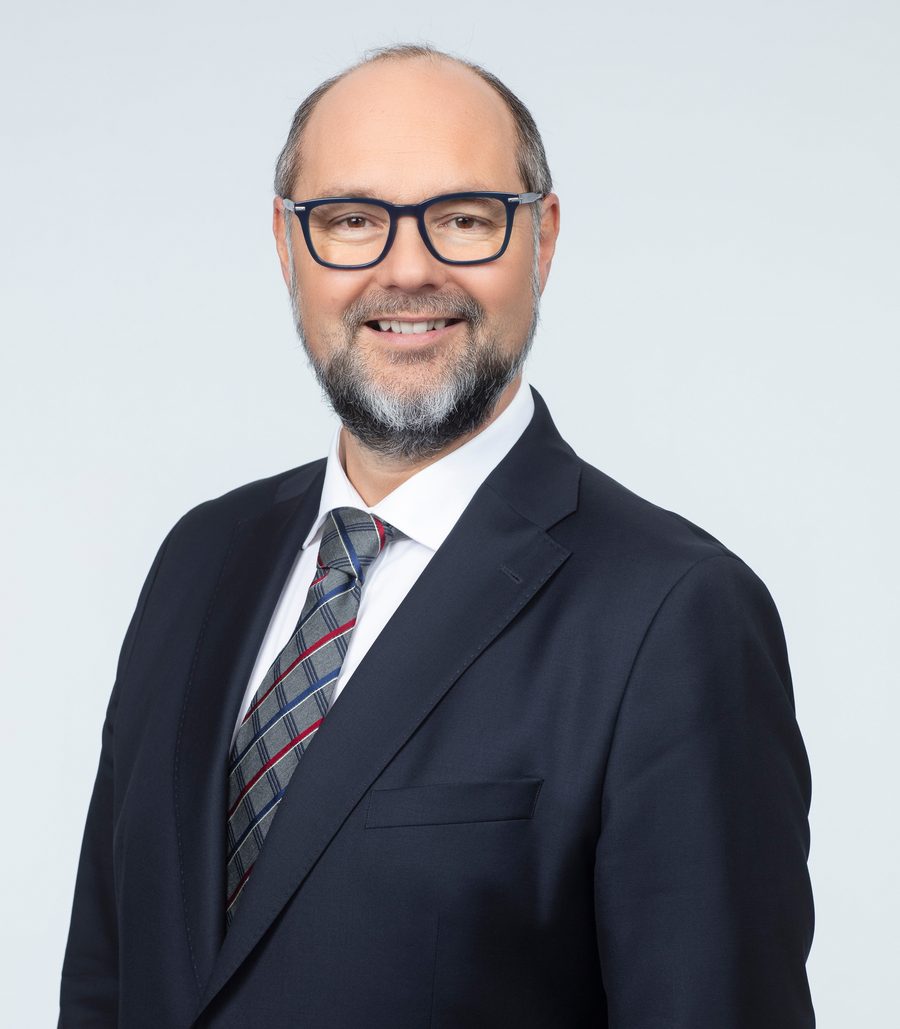
- Portrait, full resolution, black and white profile
- Speaker one-sheet
- Keynotes, formats and contact on one A4 page (PDF)
- Curriculum vitae
- Current CV (PDF, September 2026)
- Profiles
- ORCID 0000-0002-3317-9604, Google Scholar, LinkedIn, Hanken School of Economics
Contact
Prof. Dr. Othmar M. LehnerHanken School of Economics
Arkadiankatu 22, 00100 Helsinki, Finland
othmar.lehner@hanken.fi
Keynotes and media: write to the Hanken address with the date, the audience and the format.
Advisory: through OLENOR & Partners, info@olenor.eu.
Doctoral applications: a short statement of the research question and a CV by email.